Exterior
Exterior Aircraft Cleaning
Exterior cleaning is the foundation of aircraft appearance care. Exhaust film, engine breather oil, bug strikes and airfield grime do more than dull an aircraft — contamination holds moisture and de-icing residue against the skin, which is exactly how corrosion starts. Regular, properly executed washing is preventive care, not cosmetics.
Blue Horizon Aviation cleans aircraft and nothing else. Every wash uses aviation-specification products and airframe-safe methods, with sensor protection and materials-appropriate care built into the process rather than added as an afterthought.
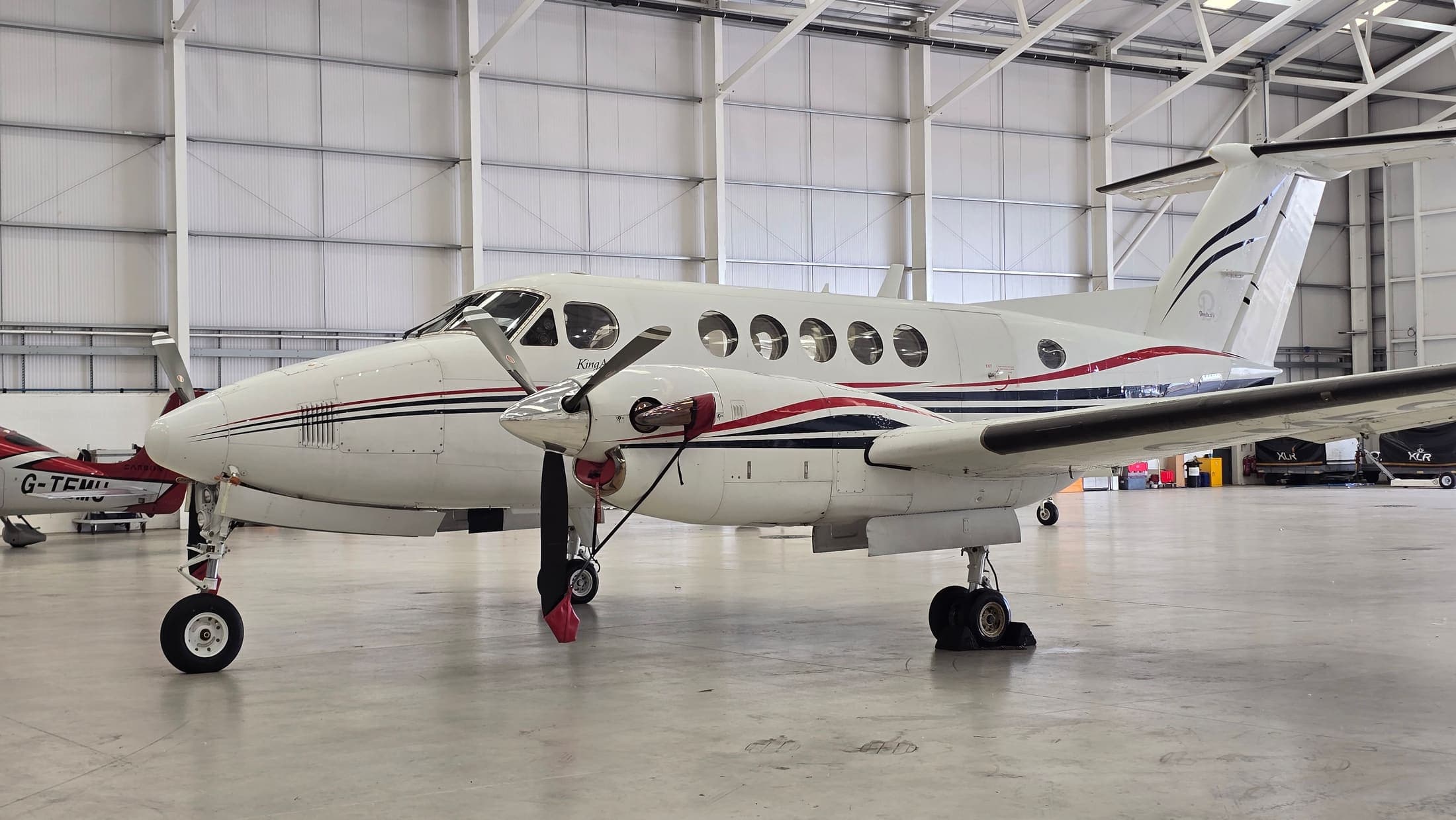
What an exterior clean involves
Every aircraft is assessed before work begins: paint condition, brightwork, transparencies, de-icing equipment and any areas needing special care. Pitot probes, static ports, stall vanes and other sensors are protected and flagged, and a cover-on / cover-off check is completed at both ends of the job — nothing is left in place when we hand the aircraft back.
Depending on condition and location, cleaning is carried out as a wet wash with aviation-approved detergent and a controlled rinse, or as a dry wash using purpose-made waterless products applied and buffed by hand. Heavily soiled areas — the exhaust track along the belly, breather streaks, landing gear and flap tracks — receive targeted degreasing. We never use pressure washers: driven water strips paint edges and forces moisture into lap joints, hinges and sealed areas.
Leading edges, cowlings and struts are cleared of insect residue, which etches paint if left, and transparencies are cleaned with acrylic-safe products and straight-stroke technique as standard.
Dry wash or wet wash?
The right method depends on contamination and the airfield. A wet wash deep-cleans a heavily soiled airframe; a dry wash maintains a regularly cleaned aircraft and suits airside locations where water and drainage are unavailable or environmental rules restrict run-off. Many operators combine both: a periodic wet wash with dry-wash cycles between. We advise honestly on which your aircraft needs — see the dedicated dry washing and wet washing pages for detail.
Why regular exterior cleaning matters
Corrosion control guidance is unambiguous: how often an aircraft should be washed depends on how long contaminants sit on the metal. Aircraft parked outside, based near the coast or exposed to winter de-icing benefit from noticeably more frequent washing. The UK's maritime climate makes this relevant to almost every operator.
A clean airframe is also easier to inspect — grime hides seep marks, cracked fairings and lifting paint that a pilot or engineer would otherwise spot during a walk-around.
Why it matters
What this service gives you
Corrosion control
Removes the salts, de-icing residue and pollution that hold moisture against the airframe.
Easier inspection
Clean surfaces let pre-flight checks and engineering inspections actually see the aircraft.
Paint preservation
Bug strikes and exhaust deposits etch and stain paint when left; regular removal keeps finishes serviceable for longer.
Presentation
A consistently clean aircraft reflects well on its owner, school or operator — and photographs properly.
Questions
Exterior Aircraft Cleaning — questions answered
How often should an aircraft be washed?
It depends on exposure. Aircraft parked outside, operated near the coast or flown through winter de-icing should be washed every few weeks; hangared aircraft typically every one to two months with lighter cleans between. Frequent washing is primarily corrosion control — the longer contamination sits on the skin, the more damage it does.
Do you use pressure washers?
No. Pressure washing drives water into lap joints, hinges, bearings and static ports, and can strip paint from rivet lines and panel edges. All washing is done by hand using controlled methods appropriate to each surface.
Are your products safe for aircraft paint?
We use cleaning chemistry made for aviation — products formulated to conform to specifications such as AMS 1526 and Boeing D6-17487 — rather than automotive or household products, which can be too aggressive for aircraft finishes and unsuitable around acrylic windows.
Can you clean at my airfield?
In most cases, yes. We work at hangars, aprons and airfields across the UK, and adapt the method to the location — including waterless dry washing where a site has no water or drainage. Access requirements are confirmed as part of your quotation.
Related
Services that pair with this one
- Dry WashingWaterless exterior cleaning — the right method for routine maintenance washes and for airfields where water or drainage isn't available.Explore →
- Wet WashingThe deep clean: aviation-approved detergent, hand washing and a controlled rinse for airframes carrying real contamination.Explore →
- Paint EnhancementSingle-stage machine polishing that restores gloss to tired, oxidised paint — measured, conservative and honest about what your paint can take.Explore →
- Aircraft Window CleaningAcrylic-safe windscreen and window care — because the wrong cloth or cleaner permanently damages a transparency.Explore →
Ready to book exterior aircraft cleaning?
Tell us the type, where it's based and what you need. We'll come back promptly with a clear, honest quotation.