Protection & Enhancement
Aircraft Ceramic Protection
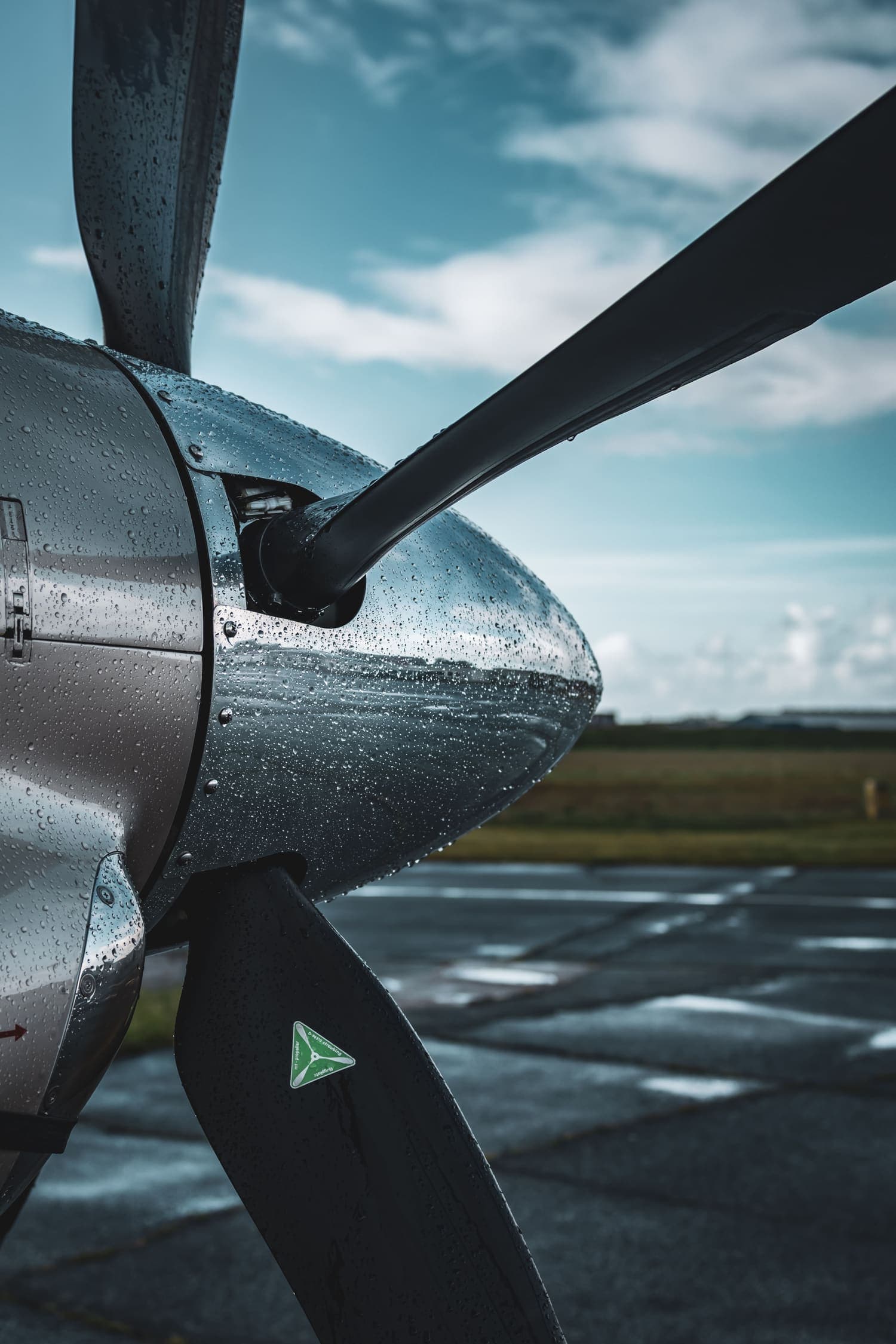
Protection is what makes paintwork care last. A protected airframe sheds water, releases exhaust film and bugs with far less effort, resists UV oxidation and stands up better to de-icing fluid — so every wash afterwards is quicker, gentler and cheaper.
Two families of product do this work. Ceramic (SiO₂) coatings offer the hardest, longest-lived protection and have proven themselves on general aviation aircraft over multi-year use. Polymer sealants — the technology behind long-established aviation systems — are the route aircraft manufacturers have formally blessed. We fit the product to the aircraft, and we're straightforward about the difference.
An honest note on approvals
No airframe manufacturer currently approves ceramic coatings for their paint systems — approvals sit with cross-linking polymer sealant systems, which is why managed and warranted jets are usually protected with polymer products. For privately operated GA aircraft, ceramics are a well-proven, excellent choice. We explain both plainly and recommend what fits your aircraft, its warranty position and how it is operated — not whichever product carries the bigger margin.
How protection is applied
Coatings are only as good as the surface underneath, so every application starts with a full wash and decontamination, and — for paint carrying oxidation or defects — enhancement or correction first. The coating is then applied panel by panel, levelled, and given proper cure conditions before the aircraft flies.
Areas that must not be coated are respected: de-icing boots keep their own care regime, TKS panels are never sealed over (coatings block the porous titanium), and matte surfaces receive appropriate products only.
An optional extra, priced clearly
Protection is always offered as a clearly priced optional extra on your quote — never bundled in quietly. A typical example: after brightwork restoration we can apply Xzilon X20, an aerospace coating developed for aircraft exteriors, so the freshly polished metal keeps shedding water and holding its finish between visits. If the paint or brightwork doesn't warrant it yet, we'll say so.
What to expect afterwards
A coated airframe is dramatically easier to keep clean — bugs and exhaust film release with gentle washing, water sheets off, and gloss holds season after season. Protection isn't a force field: it doesn't prevent stone chips or erosion, and it still needs washing. What it changes is how hard the airframe works to stay looking excellent. Ceramics typically serve for two or more years on aircraft; sealants are refreshed roughly every six to twelve months.
Why it matters
What this service gives you
Lasting gloss
UV and oxidation resistance that keeps polished paint looking freshly finished.
Easier cleaning
Hydrophobic surfaces release bugs, carbon and grime with less product and less rubbing.
Chemical resistance
Better resistance to de-icing fluid, fuel splash and exhaust deposits.
Honest product choice
Ceramics where they fit, OEM-recognised polymer systems where they're the right call.
Questions
Ceramic Protection — questions answered
Is ceramic coating worth it on an aircraft?
For most GA owners, yes — long-term users report years of easier cleaning and held gloss. It is a meaningful investment because preparation is most of the work, so it makes best sense on paint worth protecting or freshly polished to standard.
Ceramic coating or polymer sealant?
Ceramics last longer and resist more; polymer sealant systems carry the airframe manufacturers' formal recognition and suit managed, warranted or newer jets. We'll recommend honestly based on your aircraft and how it is operated.
How long does application take?
Allow a day for coating a prepared light aircraft, plus whatever washing, decontamination and polishing the paint needs first — often the larger share of the job. Cure time before flight is confirmed per product.
Does a coated aircraft still need washing?
Yes — just less often and far more easily. A gentle maintenance wash keeps the coating performing; we build exactly that into fleet and owner care schedules.
Related
Services that pair with this one
- Paint EnhancementSingle-stage machine polishing that restores gloss to tired, oxidised paint — measured, conservative and honest about what your paint can take.Explore →
- Paint CorrectionMulti-stage defect removal for paint that needs more than a polish — carried out with the restraint thin aircraft topcoats demand.Explore →
- Exterior Aircraft CleaningThorough, airframe-safe exterior washing that removes exhaust film, oil streaks and contamination — protecting paint and helping control corrosion.Explore →
- Dry WashingWaterless exterior cleaning — the right method for routine maintenance washes and for airfields where water or drainage isn't available.Explore →
Ready to book ceramic protection?
Tell us the type, where it's based and what you need. We'll come back promptly with a clear, honest quotation.